
The Role of Emotion and Abstraction in Contemporary Fine Art
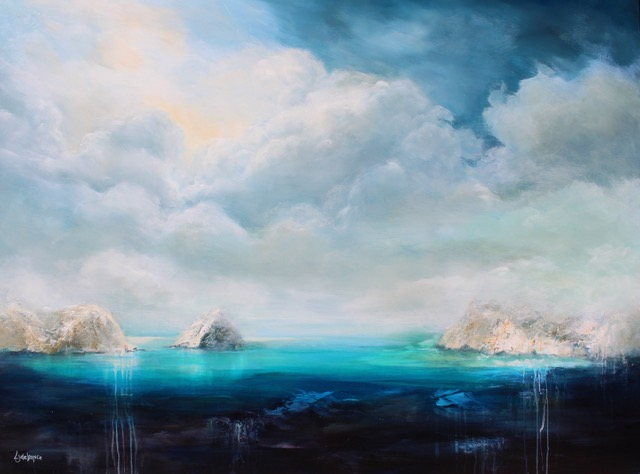
Contemporary fine art often moves beyond literal representation, focusing instead on conveying emotion, perception, and deeper conceptual meaning. Two of the most significant elements that define this approach are emotion and abstraction. Together, they shape how a contemporary fine artist communicates ideas and engages viewers.
Rather than presenting a direct depiction of reality, many artists use abstraction to evoke feeling, encourage interpretation, and explore personal or universal themes. This article examines how emotion and abstraction function within fine art, how they influence artistic practice, and why they remain central to contemporary work.
Understanding Emotion in Contemporary Fine Art
Emotion plays a fundamental role in how art is created and experienced. For a contemporary fine artist, emotion is often the starting point of the creative process.
Emotional Expression in Art
Artists frequently draw from personal experiences, memories, or observations. These emotional influences can shape:
Colour choices
Composition and form
Texture and layering
Overall tone of the artwork
Emotion allows artwork to move beyond technical execution and connect with viewers on a deeper level.
Viewer Interpretation and Emotional Response
Art does not communicate in a fixed way. Instead, it invites interpretation. Different viewers may respond to the same artwork in different ways based on their own experiences.
This interaction between artist and viewer creates a dynamic relationship where meaning is not imposed but discovered.
To explore how emotional expression is conveyed visually, reviewing an artwork gallery can provide practical insight into how artists communicate through their work.
What Is Abstraction in Contemporary Fine Art?
Abstraction refers to the process of simplifying, distorting, or removing direct representation from artwork. Instead of depicting objects realistically, artists focus on elements such as colour, shape, and form.
Key Characteristics of Abstract Art
Non-representational or partially representational imagery
Emphasis on visual elements rather than literal subjects
Open interpretation
Focus on mood and atmosphere
Abstraction allows a fine artist to communicate ideas that may be difficult to express through traditional representation.
Why Artists Use Abstraction
Abstraction provides flexibility and freedom in artistic expression. It allows artists to:
Explore complex emotions
Move beyond realistic constraints
Encourage individual interpretation
Focus on conceptual ideas
This approach is particularly relevant in contemporary art, where experimentation and innovation are valued.
The Connection Between Emotion and Abstraction
Emotion and abstraction are closely linked in contemporary fine art. Abstraction often serves as the visual language through which emotion is expressed.
Translating Emotion into Visual Form
Instead of depicting a specific scene, artists may use:
Bold or muted colour palettes to reflect mood
Dynamic or minimal compositions to express energy or calm
Layered textures to suggest complexity
Through abstraction, emotion becomes the subject rather than the background.
Creating Space for Interpretation
Abstract art does not define a single meaning. This openness allows viewers to engage with the work based on their own emotional responses.
This shared space between artist and viewer is a defining feature of contemporary art.
Techniques Used to Convey Emotion and Abstraction
A contemporary fine artist uses various techniques to combine emotion and abstraction effectively.
Use of Colour
Colour is one of the most powerful tools for expressing emotion. For example:
Warm tones may evoke energy or intensity
Cool tones may suggest calmness or introspection
Texture and Layering
Layering materials or paint can create depth and complexity, reflecting emotional intensity or progression.
Gesture and Movement
Brushstrokes and marks can convey motion, tension, or spontaneity.
Composition
The arrangement of elements within the artwork influences how the viewer perceives balance, focus, and emotion.
To better understand how these techniques are applied in practice, the artwork gallery offers examples of how visual elements come together in finished pieces.
The Role of the Artist’s Perspective
The personal perspective of a contemporary fine artist shapes how emotion and abstraction are expressed.
Individual Experience
Each artist brings their own background, influences, and ideas into their work. This individuality contributes to the uniqueness of abstract art.
Artistic Intent
While some artists begin with a clear concept, others allow the process to evolve naturally. In both cases, emotion remains a guiding factor.
To gain insight into an artist’s background and creative influences, the about the artist page provides useful context.
Emotion and Abstraction in Different Contexts
Emotion and abstraction can serve different purposes depending on the context in which the artwork is created or displayed.
Personal Expression
Artists may use abstraction to process personal experiences or emotions.
Social and Cultural Themes
Abstract work can also address broader themes such as identity, environment, or societal change.
Interior and Spatial Design
Abstract artworks are often chosen for their ability to influence the atmosphere of a space without relying on literal imagery.
Comparison: Representational vs Abstract Art
Aspect | Representational Art | Abstract Art |
Subject Matter | Clearly defined | Open to interpretation |
Emotional Expression | Indirect | Direct and central |
Viewer Understanding | More uniform | Varies widely |
Visual Elements | Secondary | Primary focus |
Creative Freedom | Limited by realism | Highly flexible |
Challenges in Working with Emotion and Abstraction
While abstraction offers creative freedom, it also presents certain challenges. Artists must balance emotional expression with structure while maintaining clarity and consistency in their work. If you would like to discuss artistic approaches or gain further insight, you can reach out here for more information.
Balancing Expression and Structure
Artists must find a balance between emotional spontaneity and visual coherence.
Avoiding Ambiguity Without Direction
While openness is valuable, completely undefined work may lack clarity or impact.
Maintaining Consistency
Developing a recognisable style while exploring abstraction requires ongoing practice and refinement.
The Importance of Viewer Engagement
A key strength of abstract art is its ability to engage viewers actively.
Encouraging Interpretation
Viewers are invited to interpret the artwork based on their own experiences.
Emotional Connection
Abstract works often resonate on a personal level, creating a lasting impression.
How to Approach Abstract Contemporary Fine Art
For viewers who are new to abstraction, engaging with this form of art can feel unfamiliar.
Observe Without Expectation
Allow the artwork to be experienced without trying to identify a specific subject.
Focus on Visual Elements
Pay attention to colour, texture, and composition.
Reflect on Emotional Response
Consider how the artwork makes you feel rather than what it represents.
Conclusion
Emotion and abstraction are essential components of contemporary fine art, shaping how artists communicate and how viewers engage with their work. For artists such as Jane de France, moving beyond literal representation allows for the exploration of deeper themes, the evocation of personal responses, and the creation of space for open interpretation.
Understanding the relationship between these elements offers valuable insight into the creative process and reflects the evolving nature of fine art, as seen in the work and approach of Jane de France.
Frequently Asked Questions
What is the role of emotion in contemporary fine art?
Emotion is central to contemporary fine art, influencing both the creation and interpretation of artwork.
Why do artists use abstraction?
Abstraction allows artists to express complex ideas and emotions without relying on literal representation.
How can I understand abstract art better?
Focus on visual elements and your emotional response rather than trying to find a fixed meaning.
Is abstract art less meaningful than realistic art?
No, abstract art often carries deep meaning, though it may be expressed in a less direct way.
Where can I explore examples of abstract contemporary fine art?
You can view examples through an artwork gallery to see how artists apply abstraction and emotion in their work.


Comments